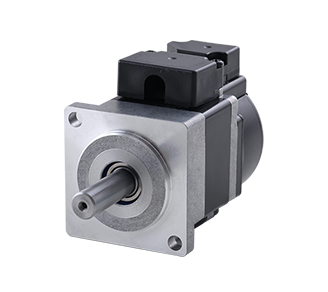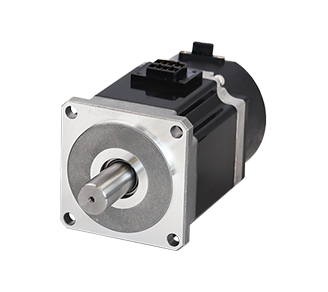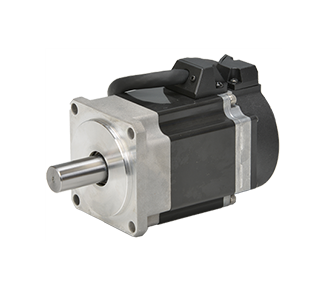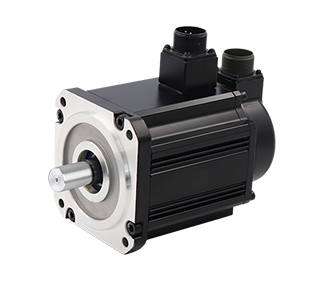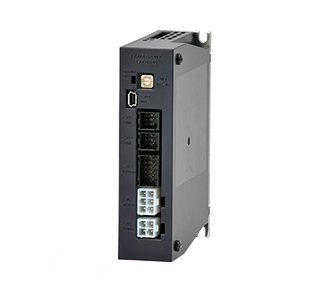
Our AC servo driver has been reborn with a diversity of innovative features!

The newly developed Motion Designer Drive is a servo setup tool for TAD88 series.
User can simply adjust servo or run a trial on PC screen.

「TAD88 series」 allows the user to set operation program by inputting maximum 128 steps without sequencer or controller.

User can manipulate while monitoring the condition through Twin Workspace method which consists of Control Workspace (Operation) and View Workspace (Monitor).

The AC servo driver is capable of automatically recording all alarms given while the system is in operation, enabling any malfunction to be identified instantaneously.
Our AC servo driver is equipped with an alarm recorder ‒ an industry first. This function makes it easy to identify the cause of malfunction in your attempt to recover the unit from the error instantaneously.
Adjustment for faithful reproduction of sequencer or controller commands has become simple by the auto-tuning feature.


Frequency analysis (FFT) display plays an effective role when identifying mechanical resonance point.
Input operation for motor load and in-position range areeasily done by guiding the user in dialogue form.

Damping control which requires high precision is possible.
There are various sensors for corresponding motor and they enable high precision control of the motor.
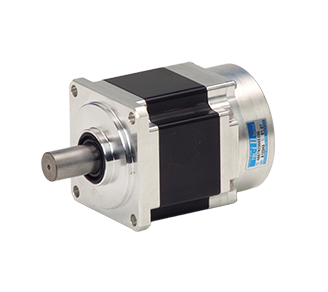
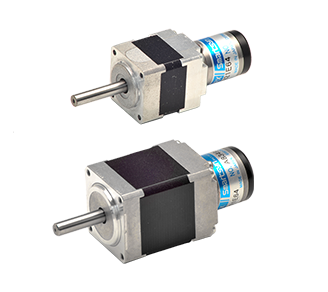
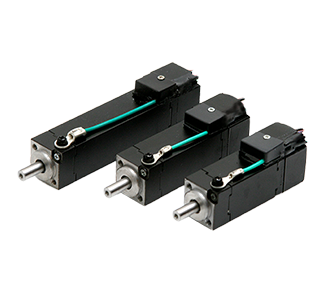
Smallest class in the industry
In addition to the compact and user-friendly design, it also has luxurious appearance.
DC Power Type


Scroll to view more.
| Sensor specifications | |||
|---|---|---|---|
| N01□□ | N03□□ | N07□□ | |
| E1△△ | 2000 C/T | 17 bit-Absolute encoder | 1X-Brushless resolver |
| E2△△ | 2048 C/T | 17 bit-Incremental encoder | 2X-Brushless resolver |
| E3△△ | 2500 C/T | - | (4X-Brushless resolver) |
| E4△△ | - | - | - |
| E5△△ | - | 23 bit-Absolute encoder | - |
| E6△△ | - | 23 bit-Incremental encoder | - |
・Those in ( ) refer to products that we will develop and launch in the near future.
Scroll to view more.
| Flange size | Output | Motor model | Applicable driver | Applicable sensor |
|---|---|---|---|---|
| □22 mm | 13 W | TS4631N□□□□E510 | TAD8810N0□□3E□21 | Wire-saving incremental encoder |
| 26 W | TS4632N□□□□E510 | TAD8810N0□□3E□22 | ||
| 40 W | TS4633N□□□□E510 | TAD8810N0□□3E□23 |
Scroll to view more.
| Flange size | Output | Motor model | Applicable driver | Applicable sensor |
|---|---|---|---|---|
| □22 mm | 13 W | TS4631N□□□□E600 | TAD8810N0□□3E□61 | Wire-saving incremental encoder |
| 26 W | TS4632N□□□□E600 | TAD8810N0□□3E□62 | ||
| 40 W | TS4633N□□□□E600 | TAD8810N0□□3E□63 |
Scroll to view more.
| Flange size | Output | Motor model | Applicable driver | Applicable sensor | |
|---|---|---|---|---|---|
| DC24 V | DC48 V | ||||
| □20 mm | 5 W | 5 W | TS4734N□□□□E□□□ | TAD8810N07□3E115 | Resolver (Smartsyn:1X-BRX) |
| 10 W | 10 W | TS4735N□□□□E□□□ | TAD8810N07□3E116 | ||
| □28 mm | 20 W | 20 W | TS4737N□□□□E□□□ | TAD8810N07□3E117 | |
| 30 W | 30 W | TS4738N□□□□E□□□ | TAD8810N07□3E118 | ||
| □42 mm | 50 W | 50 W | TS4742N30□□E□□□ | TAD8810N07□5E111 | |
| □56.4 mm | 98 W | 100 W | TS4746N33□□E□□□ | TAD8810N07□5E112 | |
| 92 W | 200 W | TS4747N33□□E□□□ | TAD8810N07□5E113 | ||
| □42 mm | 50 W | 50 W | TS4742N□□□□E□□□ | TAD8810N07□5E211 | Resolver (Singlsyn:2X-BRX) |
| □56.4 mm | 98 W | 100 W | TS4746N□□□□E□□□ | TAD8810N07□5E212 | |
| 92 W | 200 W | TS4747N□□□□E□□□ | TAD8810N07□5E213 | ||
Scroll to view more.
| Flange size | Output | Motor model | Applicable driver | Applicable sensor |
|---|---|---|---|---|
| □40 mm | 30 W | TSM3101N□□□□E020 | TAD8810N0□03E□44 | All sensors |
| 50 W | TSM3102N□□□□E020 | TAD8810N0□05E□45 | ||
| 100 W | TSM3104N□□□□E020 | TAD8810N0□05E□46 | ||
| □60 mm | 100 W | TSM3201N□□□□E020※ | TAD8810N0□05E□47 |
Maximum output is limited when the motor having ※ mark is combined with TAD8810.
Scroll to view more.
| Flange size | Output | Motor model | Applicable driver | Applicable sensor |
|---|---|---|---|---|
| □40 mm | 30 W | TSM3101N□□□□E040 | TAD8810N0□03E□84 | All sensors |
| 50 W | TSM3102N□□□□E040 | TAD8810N0□03E□85 | ||
| 100 W | TSM3104N□□□□E040 | TAD8810N0□05E□86 | ||
| □60 mm | 100 W | TSM3201N□□□□E040 | TAD8810N0□05E□87 | |
| 200 W | TSM3202N□□□□E040 | TAD8810N0□05E□88 | ||
| □80 mm | 200W | TSM3301N□□□□E040※ | TAD8810N0□05E□89 |
Maximum output is limited when the motor having ※ mark is combined with TAD8810.
Scroll to view more.
| Flange size | Output | Motor model | Applicable driver | Applicable sensor |
|---|---|---|---|---|
| □40 mm | 30 W | TS4601N□□□□E520 | TAD8810N0□□3E□41 | All sensors |
| 50 W | TS4602N□□□□E520 | TAD8810N0□□3E□42 | ||
| 100 W | TS4603N□□□□E520 | TAD8810N0□□5E□43 | ||
| □60 mm | 100 W | TS4606N□□□□E520 | TAD8810N0□□5E□56 | |
| 100 W | TS4607N□□□□E520 | TAD8810N0□□5E□57 |
Scroll to view more.
| Flange size | Output | Motor model | Applicable driver | Applicable sensor |
|---|---|---|---|---|
| □40 mm | 30 W | TS4601N□□□□E620 | TAD8810N0□□3E□81 | All sensors |
| 50 W | TS4602N□□□□E620 | TAD8810N0□□3E□82 | ||
| 100 W | TS4603N□□□□E620 | TAD8810N0□□3E□83 | ||
| □60 mm | 100 W | TS4606N□□□□E620 | TAD8810N0□□3E□96 | |
| 200 W | TS4607N□□□□E620 | TAD8810N0□□5E□97 |

Scroll to view more.
| Basic specifications | Power input | Driving power | DC24 V±10 % / DC48 V±10 % |
|---|---|---|---|
| Control power | DC24 V±10 % | ||
| Motor driving system | Transistor PWM system(sine wave drive) | ||
| Structure | Base mounting type(back-to-back mounting only) | ||
| Sensor specifications | N1□□ | Incremental encoder(Wire-saving) | |
| N3□□ | Serial encoder(Smart-ABS/INC) | ||
| N7□□ | Brushless resolver(Smartsyn) 1X, 2X -BRX | ||
| Operating environment conditions | Temperature: 0 to 40 ℃ / Humidity: 90 % RH or lower(no condensation) | ||
| Functions | Communication software specification | SV-NET | |
| Control mode | ①Position control ②Speed control ③Current control(Parameter selection) | ||
| Pulse command input | Pulse mode | ①CCW/CW pulse ②PULSE/Direction(Parameter selection) | |
| Positioning accuracy | Within ±1 pulse(Command standard) | ||
| Analog command input (±10 V) |
Velocity command input Current command input |
Command scale and polarity depend on parameters. 6000 rpm/10 V or maximum current of motor/10 V(Factory setting) |
|
| Command resolution | ±11 bit | ||
| Auto tuning | Executed by switching to supported mode | ||
| Electronic gear |
Control the position by multiplying the command pulse by “N” or M” N: Number of command pulse inputted to rotate the motor shaft M times(1 to 230) M: Rotation number of motor shaft per number of command pulse “N”(1 to 214) |
||
| Gain switching function | Switching of control gain is possible via positional error and velocity command value; switching via signal input also possible. |
||
| Recommended load inertia | Within 30 times of motor inertia | ||
| Rotation direction | Both directions possible. CCW rotation is taken as the forward direction of rotation (factory setting). | ||
| Parameters |
Parameter setting is possible by connecting to PC(USB, SV-NET) ・Control mode ・Analog command scale ・Position loop gain ・Analog command offset ・Velocity loop gain ・Zero clamp voltage ・Velocity loop integral time ・Acceleration limit ・Feedforward quantity ・Setting for encoder frequency-divided output ・Resonator filter ・Electronic gear ratio ・Velocity limit ・Over-speed alarm level ・Current limit ・Over-load alarm level ・In-position range Among others |
||
| Protection | Hardware error | Over-speed, power device abnormality (over-current), sensor abnormality, driving power abnormality, EEPROM abnormality, CPU abnormality,etc. |
|
| Software error | Over-load, excessive error, etc. | ||
| Alarm history | Capable of memorizing up to 8 alarms | ||
| Display | 2-color LED Control mode, alarm, warning indication |
||
Scroll to view more.
| I/O | Name | Description(Factory setting) | ||
|---|---|---|---|---|
| Input signals | IN1(SV-ON) | Servo is ON at “1” and OFF at “0”. | 8ch universal input Functions of this can be modified by changing parameters. |
I/F voltage:DC5 V to 24 V “1” L level “0” H level or open |
| IN2(F-LMT) IN3(R-LMT) |
CCW operation is disabled at “0”. Logic alteration is possible. CW operation is disabled at “0”. Logic alteration is possible. |
|||
| IN4(ALM-RST) | Alarm is reset when “1”. | |||
| IN5(C-RST) | Error counter is reset at “1”. | |||
| IN6(EX_ALM) | External alarm when “1” | |||
| IN7(HOME) | Origin signal is ON when “1”. | |||
| IN8(PLS-INH) | Pulse input is ignored when “1”. | |||
| F-PLS R-PLS |
CCW pulse/PULSE input CW pulse/Direction(via parameter) | f ≦ 500 kHz:Fig.1 f ≦ 200 kHz:Fig.2 |
||
| ANALOG-IN1 | Analog command input(± 10 V) | |||
| ANALOG-IN2 | Analog command input(± 10 V) | Reserve | ||
| Output signals | OUT1(ALM) | “0” during alarm and “1” during normal operation |
5ch universal input Functions of this can be modified by changing parameters. |
Open-drain output |
| OUT2(INP) | “1” when position error is set value or below. | |||
| OUT3(RDY) | “1” when servo is ready. | |||
| OUT4(BRK- SG) | “1” when motor stops. | |||
| OUT5(STOP-SG) | “1” when brake is released. | |||
| LEAD LAG |
Outputs frequency-divided sensor signals(. Refer to instruction manual for details) | Line-driver output. | ||
| Z | Outputs Z signal.(Refer to instruction manual for details) | |||
| MONITOR-1 MONITOR-2 |
Monitors ① current command, ② velocity feedback, etc. Parameter-based setting for monitoring content and scale |
|||
Servo Motors / Drivers